
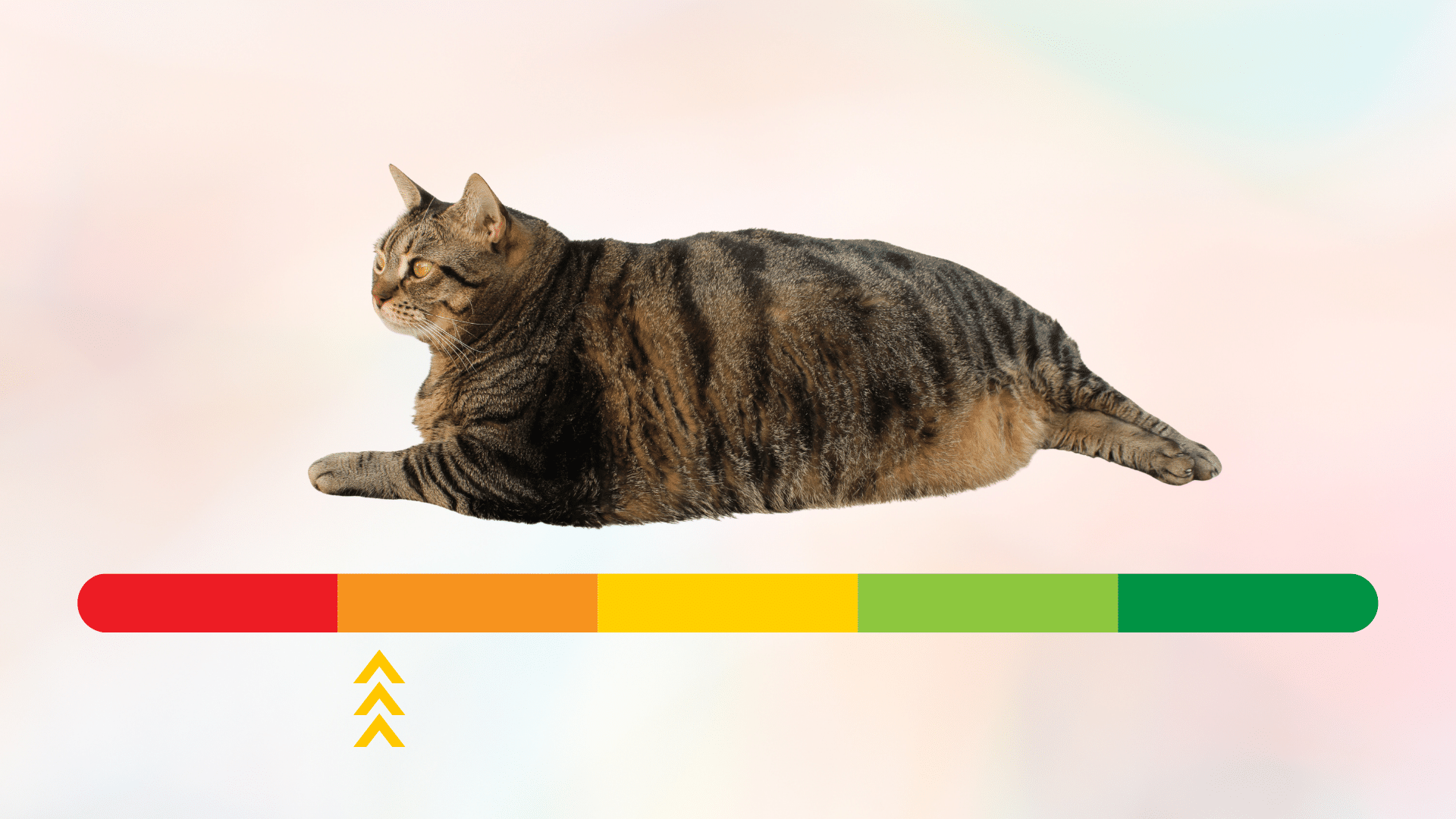
Have you noticed your cat looking rounder than usual? Perhaps their belly appears fuller, their energy levels seem lower, or their favorite climbing spots have become less appealing. These changes might leave you wondering whether you have an overweight cat.
Recognizing gradual weight gain is a valuable part of maintaining feline wellness. Since cats often gain weight slowly, subtle physical changes frequently escape attention until daily activities become more difficult.
Big Island Pet Care Center offers pet wellness consultations for weight management in Keaau, supporting healthier lives for feline companions.
The Hidden Health Risks of Feline Obesity
Extra weight affects far more than your cat’s appearance. An overweight cat faces increased risks of diabetes, arthritis, and other medical conditions associated with excess body fat.
Additional pounds place stress on joints, making jumping, climbing, and grooming increasingly uncomfortable. Reduced mobility often leads to less exercise, creating a cycle of continued weight gain.
Excess weight might even interfere with your cat’s ability to groom hard-to-reach areas, potentially contributing to skin and coat concerns. Maintaining a healthy body condition supports comfortable movement, better energy, and overall quality of life.
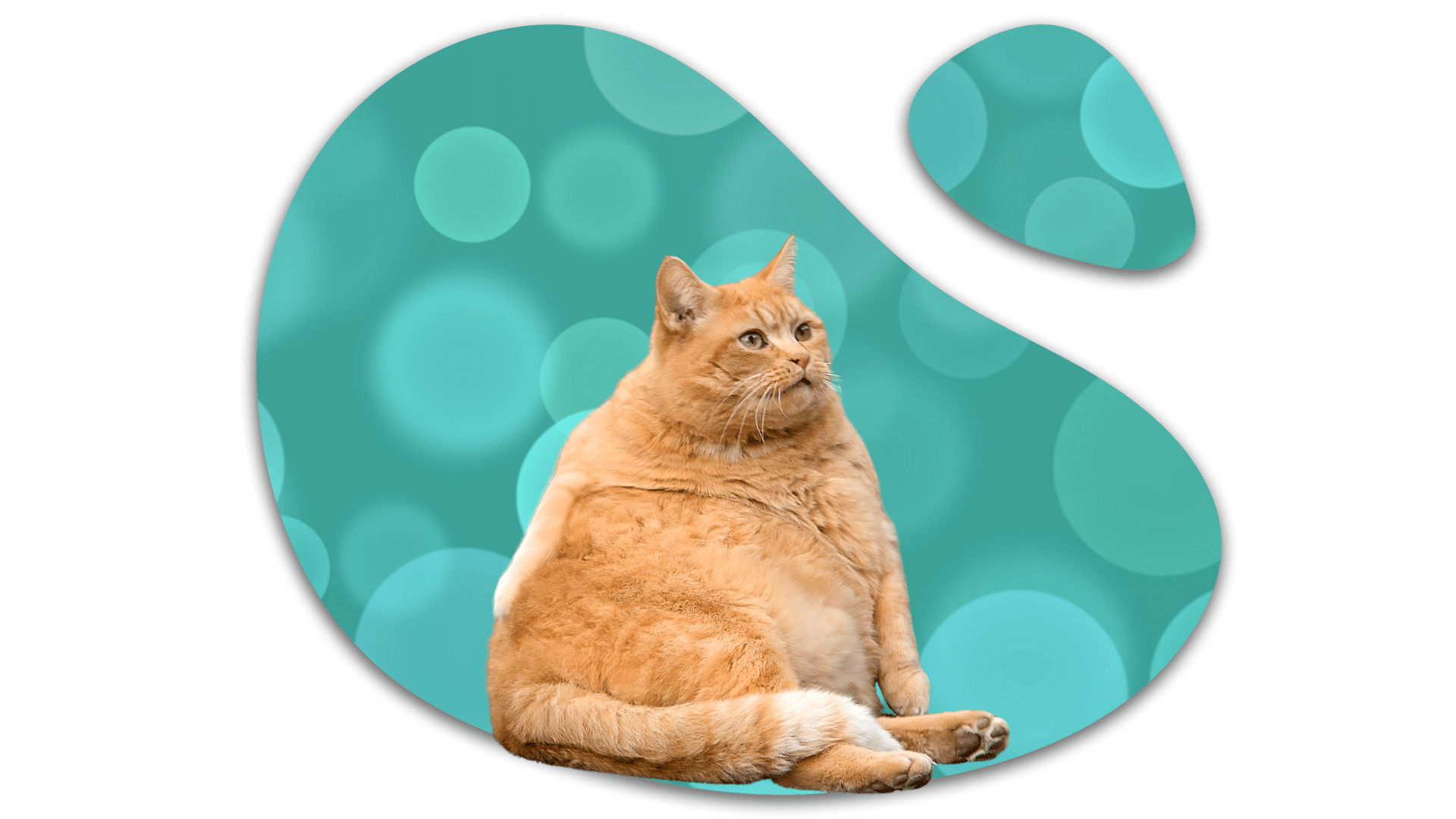
Why Your Cat Might Be Gaining Weight
Weight gain typically develops when daily calorie intake exceeds the energy your cat uses. Oversized meals, frequent treats, and unrestricted access to food frequently contribute to excess body fat.
Indoor cats with limited physical activity face additional challenges, especially as they age. Changes in metabolism, certain medications, and underlying health conditions sometimes influence body weight as well.
An overweight cat might require adjustments to feeding routines, increased physical activity, or further medical evaluation. Identifying the underlying cause allows your veterinarian to recommend a personalized approach rather than relying on guesswork.
Physical Signs Your Cat Is Above a Healthy Weight
Your cat’s body shape offers useful clues about whether excess fat is present. When viewed from above, a healthy cat generally has a noticeable waist behind the ribs.
You should feel the ribs beneath a thin layer of fat without applying excessive pressure. A rounded abdomen, reduced waist definition, or difficulty feeling the ribs might indicate excess weight.
Other warning signs include reduced stamina, reluctance to jump, and difficulty grooming. The Association for Pet Obesity Prevention’s feline body condition scoring chart provides a visual reference for assessing feline body condition.
A veterinary examination offers a more precise assessment based on your cat’s age, body structure, and medical history.
Why a Veterinary Weight Assessment Matters
Unexpected weight gain deserves attention from a veterinarian, particularly when accompanied by changes in appetite, mobility, or behavior. During an appointment at Big Island Pet Care Center, your veterinarian evaluates overall health, reviews feeding habits, and considers potential medical explanations for weight changes. An overweight cat benefits from gradual weight management rather than sudden reductions in food intake.
Rapid weight loss and prolonged periods without eating pose serious health risks for cats, including potentially life-threatening liver complications. A veterinarian-guided plan prioritizes steady progress while maintaining appropriate nutrition.
Three Simple Steps Toward a Healthier Cat
Supporting feline weight management begins with consistent daily habits. Consider these three practical strategies:
- Practice portion awareness. Measure meals according to veterinary recommendations and account for treats when reviewing daily calorie intake.
- Create opportunities for movement. Encourage interactive play with wand toys, puzzle feeders, and activities suited to your cat’s physical abilities.
- Skip restrictive online diets. Discuss food changes and weight loss goals with your veterinarian before making significant adjustments.
Track changes in your cat’s weight, appetite, and activity levels over time. Regular veterinary assessments provide valuable opportunities to review progress and refine feeding recommendations.
Weight Management for Cats in Keaau, HI
If you’re concerned about an overweight cat, Big Island Pet Care Center provides weight management consultations for pets throughout Keaau and Hawaiian Paradise Park. Whether your cat has recently gained weight or you’re uncertain about their ideal body condition, an assessment at a veterinary clinic offers a clear starting point.
Ready to focus on your cat’s long-term wellness? Book an appointment with Big Island Pet Care Center to discuss feline weight concerns.